From Part One:
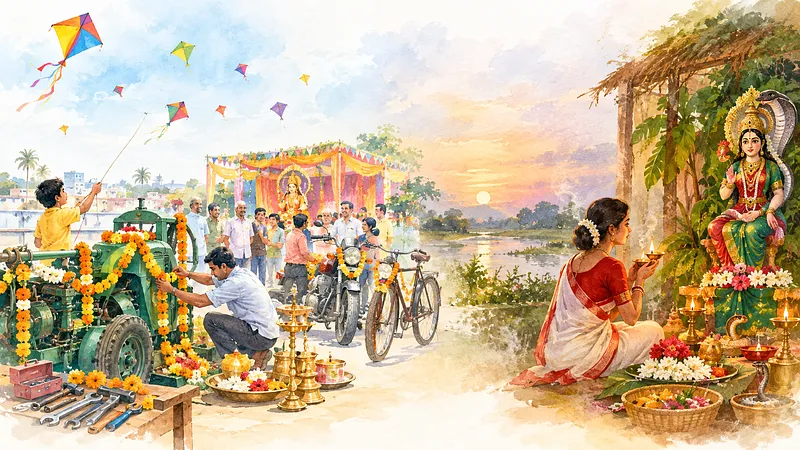
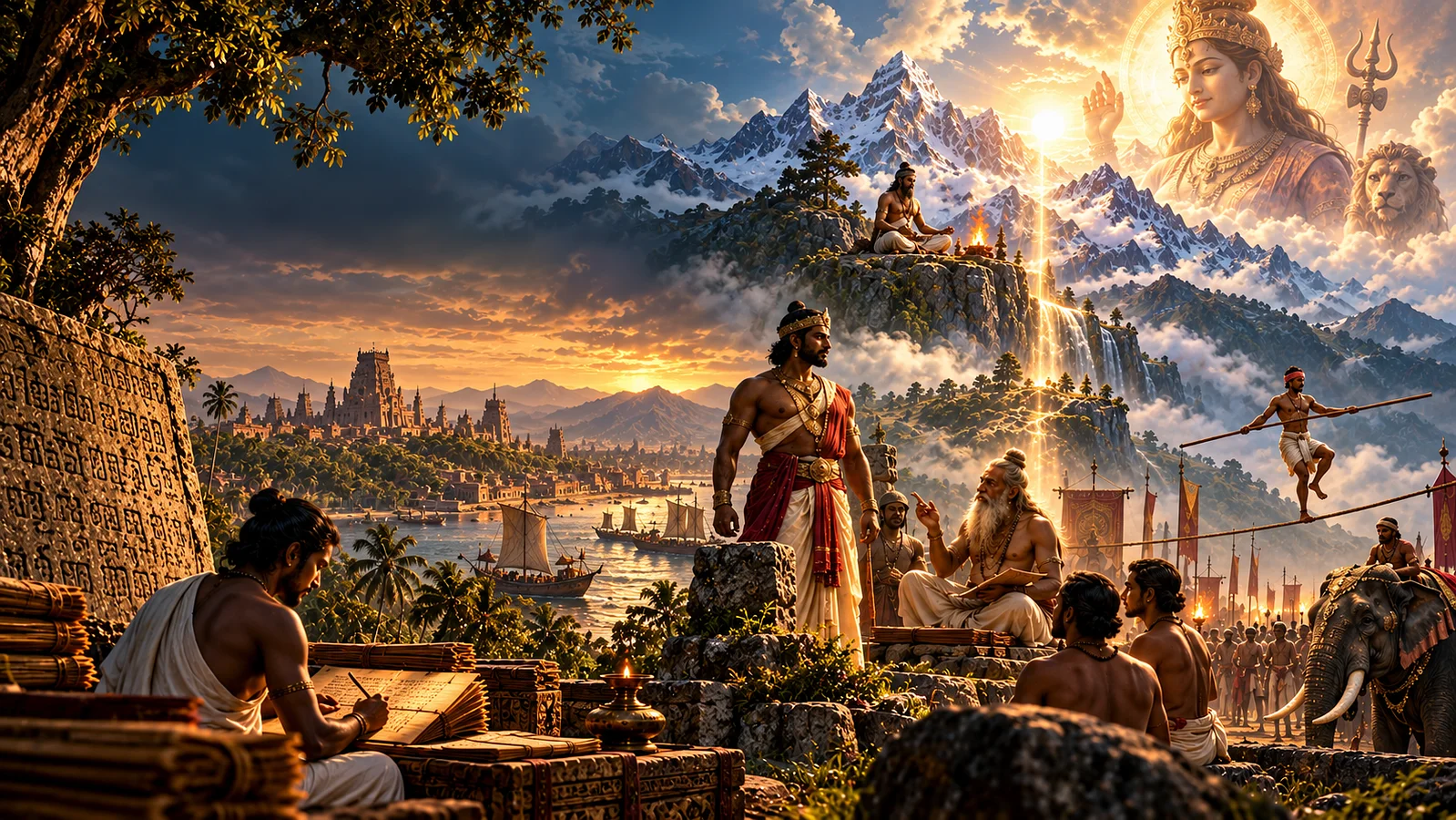
In Caṅkam Tamiḻ, Āriyar names a king, an acrobat, a sage and a goddess, a span only a scale of height can cover, never a race. The lexicons file the same word among "the wise" and among "the foreigners," and give it to Aiyaṉār, Umā and Durgā; the Tamiḻ household kept it as the word for father and teacher. A people does not call its racial oppressor by the name it gives its own father and its own God.
Part One read the war-poems in which the Tamil kings "broke the Āriyar," and showed that they describe one ritual world, not two: the victors perform the Vedic sacrifice, the vanquished are honoured and released, and the poets who could name a Maurya, a Nanda and a Vaḍugar, never made Āriyar a fixed name of that kind. This second part asks the positive question the first left open: if Āriyar is not an ethnonym, what is it? The answer is argued, as before, from the Caṅkam corpus first and from the lexicons only as corroboration, so that the "noble" sense of the word cannot be dismissed as a Bhakti-era import.
A note on method and sources
Three classes of evidence are kept strictly apart. Verbatim quotations are reproduced exactly from a digitised or printed...