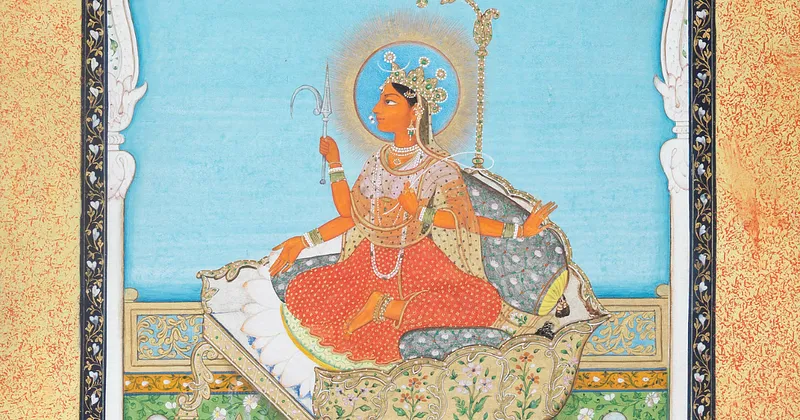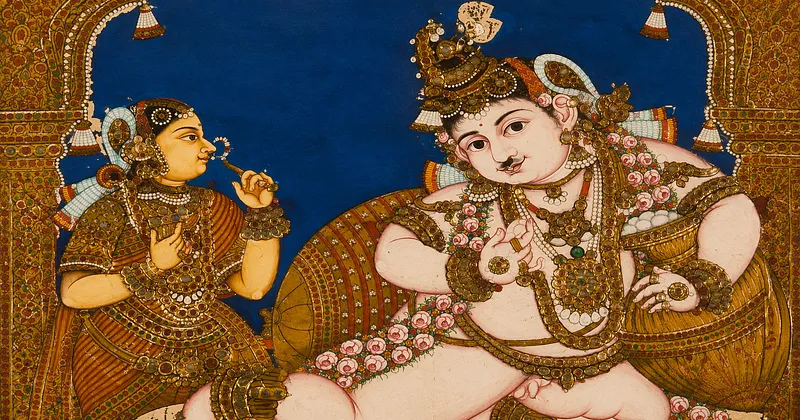
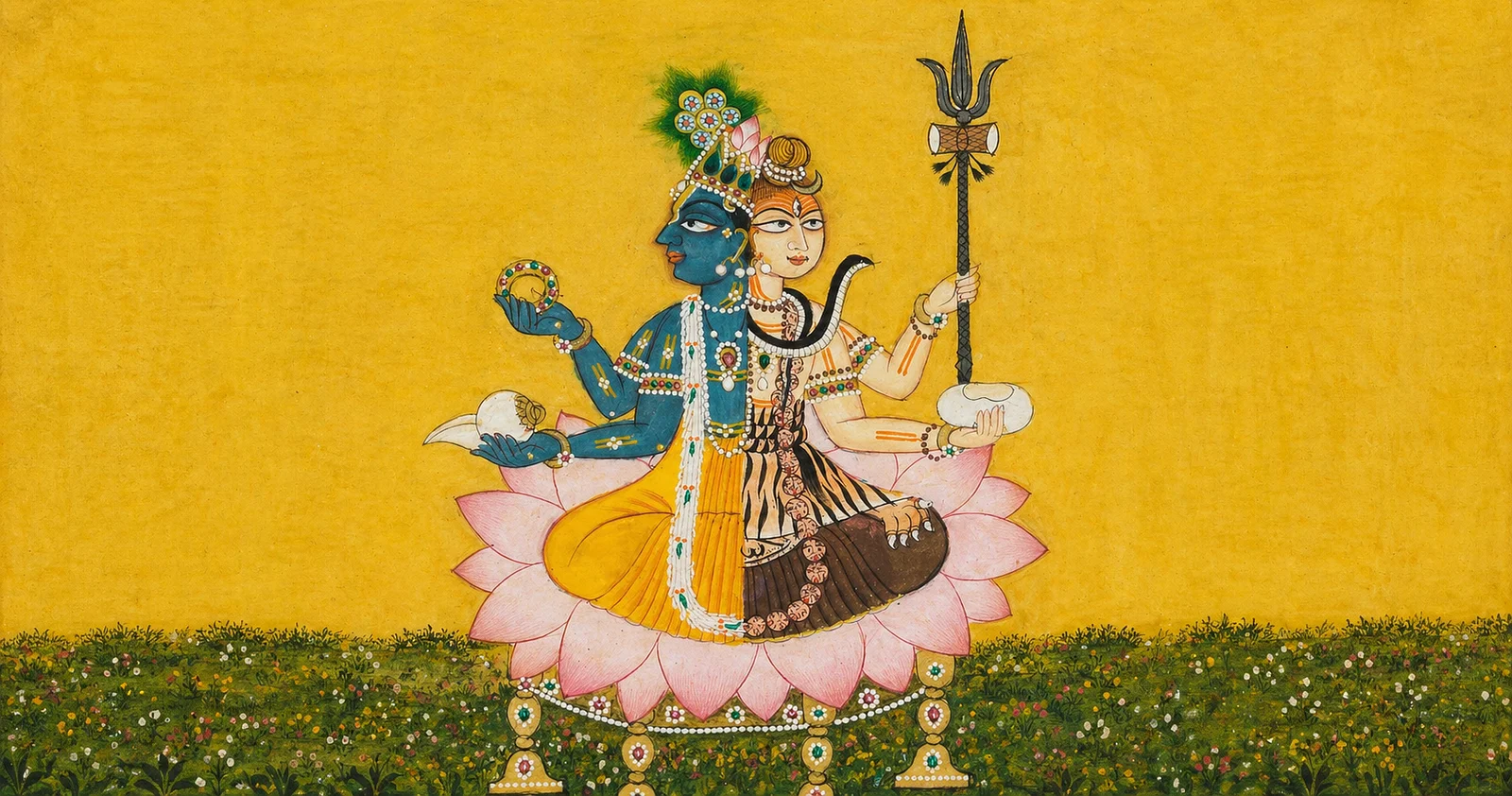
Hari-Hara, the composite form Hari (Viṣṇu) and Hara (Śiva), represents one of the most enduring visual expressions of theological synthesis in Indian art, with each half of the body distinctly embodying the preserver and the destroyer. It is known by a wide range of names across textual traditions— as Hari-Rudra, Saṅkara-Nãrayaṇa, Haryārdha (Untarakamikāgama), Hari-Śaṅkara (Agnipurāṇa), Hara-Hari (Tantrasāra), Śiva-Narāyaṇa (Matsyapurāṇa), Kṛṣṇa-Śaṅkara and Rudra-Narāyaṇa (Vayupurāṇa). Its origins can be traced back to the Kuṣāṇa period, with early examples from Mathura already establishing the defining bifurcated iconography. Over time, particularly during the early medieval period, Hari-Hara images proliferated across the subcontinent—from North India (Mathura, Osian, Khajuraho) to Gujarat and Assam, and extensively in the Deccan and South India (Badami, Mamallapuram, Aihole, Pattadakkal). While regional variations appear in attributes and stylistic treatment, the essential schema—distinct yet unified halves marked by their respective emblems—remains consistent. This wide geographic spread and iconographic continuity underscore Hari-Hara’s significance as an exalted...
Hari-Hara: The Syncretic Form of Śiva and Viṣṇu
On the artistic representation of the composite deity, Hari-Hara
Sign up to read this article
This article is part of our member only exclusive access.
Upgrade to get full access to this article by Sai Priya Chodavarapu and other membership benefits
About the Author

Sai Priya Chodavarapu
Sai Priya is a doctor by training, and completed her MBBS from Osmania Medical College, Hyderabad. Driven by a passion for religion, culture, and art, she went on to obtain a degree in law and a postgraduate diploma in Indian art. She is a prolific writer and researcher in the field of Indian Knowledge Systems, with a particular focus on the intersection of law, policy, history, and culture.
See all writings at Dhīti