In Bengal, autumn is a season of devotion, celebration, and togetherness. After the grandeur of Durgā Pūjā and the emotional farewell to Mā Durgā on Bijoya Dashami, another beautiful festival arrives under the soft glow of the full moon. It is Kojāgorī Lakṣmī Pūjā, a celebration dedicated to Goddess Lakṣmī, the Devī of wealth, prosperity, good fortune, and well-being.
Observed on the full moon night of Aśvin, known as Kojāgorī Pūrṇimā, this festival holds a special place in Bengali households. It is not merely a ritual to invite wealth into the home; it is also a celebration of hope, abundance, gratitude, and the simple joys of family life.

The Meaning Behind Kojāgorī Pūrṇimā
The word Kojāgorī is commonly associated with the Saṃskṛta expression Ko Jāgarti?, meaning, “Who is awake?”
According to a popular traditional belief, Goddess Lakṣmī visits the earthly realm on this auspicious night and blesses those who remain awake in devotion. The full moon is believed to illuminate the night with its gentle radiance, creating an atmosphere of peace and auspiciousness.
For Bengali families, staying awake is not simply about keeping one's eyes open until midnight. It is an expression of devotion, prayer, and welcoming the Goddess into one's home. Families gather, light lamps, offer prayers, and spend the evening in a spirit of reverence.
The festival also reminds us that prosperity is not limited to money or material possessions. A home filled with peace, generosity, good health, and harmony is prosperous in its own way.
Why Is Lakṣmī Worshipped After Durgā Pūjā?
In Bengal, the festive season does not end with Durgā Pūjā. Following the worship of Mā Durgā, many households prepare to welcome Goddess Lakṣmī, seeking her blessings for the coming year.
While Durgā represents divine strength and the triumph of good over evil, Lakṣmī is associated with abundance, auspiciousness, beauty, and well-being. Her worship reflects the hope that the household will enjoy stability, happiness, and the resources needed to live a fulfilling life.
For many Bengali families, Kojāgorī Lakṣmī Pūjā is also a deeply personal tradition. It may be performed on a grand scale in a community setting or observed quietly at home, where the rituals have been passed down through generations.
Preparing the Home to Welcome Mā Lakṣmī
The preparations for Kojāgorī Lakṣmī Pūjā often begin well before the evening rituals.
Homes are cleaned thoroughly, as cleanliness and order are traditionally associated with welcoming the Goddess. The Pūjā space is arranged with care, fresh flowers are gathered, and the necessary offerings are prepared.
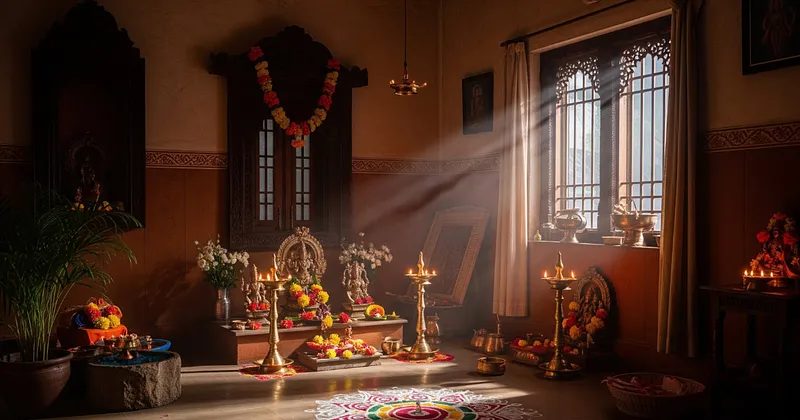
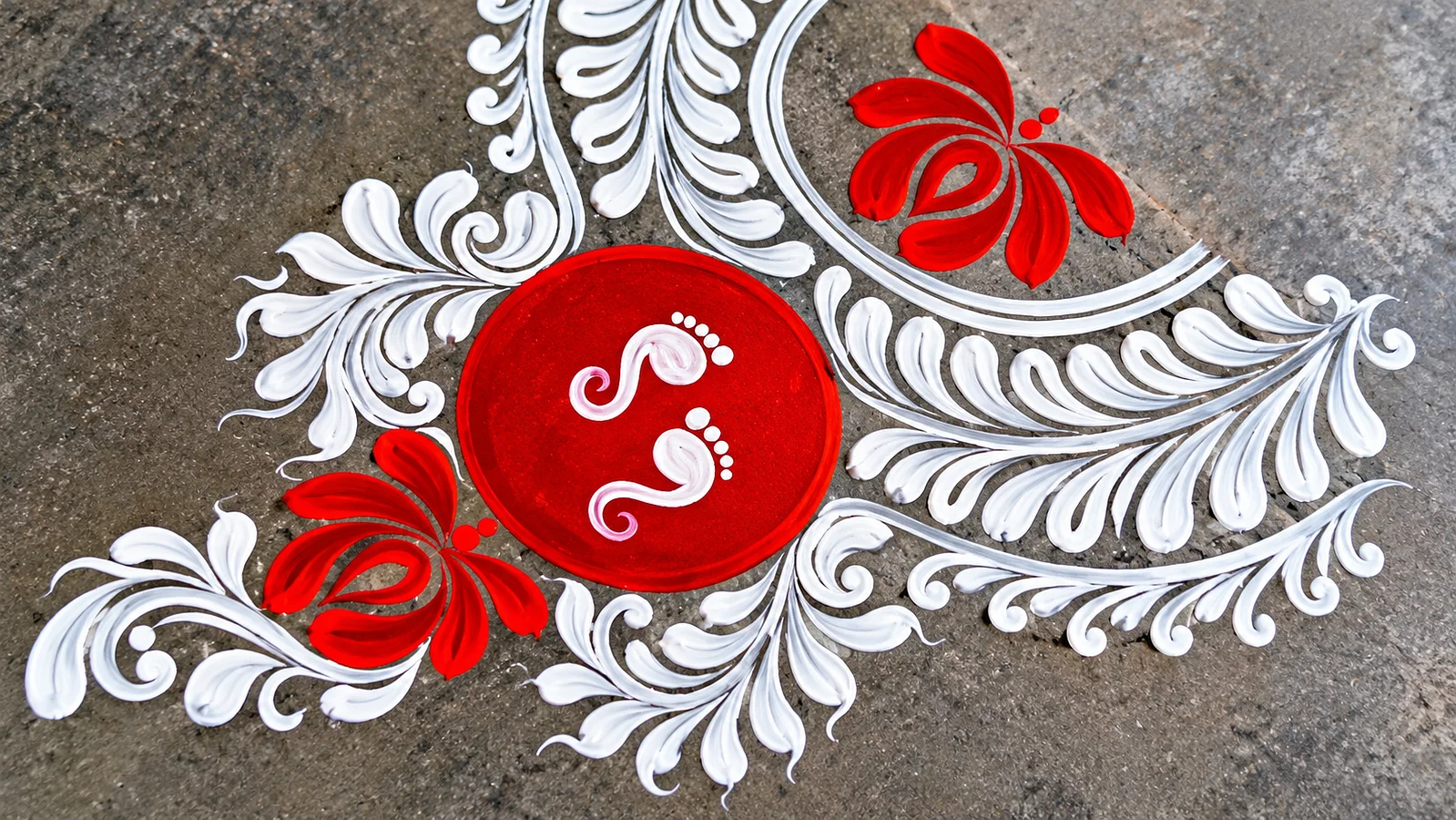
One of the most recognisable sights is the alpanā—intricate designs traditionally made with a rice-flour paste. Drawn on floors and around the place of worship, these white patterns transform an ordinary space into something sacred.
A particularly significant motif is the pair of Lakṣmī's feet, often drawn from the entrance towards the household shrine. These footprints symbolically represent the Goddess entering the home and bringing blessings with her.
The Pūjā area may be decorated with flowers, earthen lamps, and auspicious symbols. Every detail, however simple, reflects the family's devotion and anticipation.
The Rituals of Kojāgorī Lakṣmī Pūjā

Although customs differ across households and regions, the central purpose remains the same: to worship Goddess Lakṣmī with sincerity and invite her blessings.
1. The Pūjā and Invocation
The worship begins with preparations for the deity and the purification of the worship space according to family tradition. An image or idol of Mā Lakṣmī is placed on the altar, and offerings are arranged before her.
The priest or family members perform the prescribed rituals, which may include invoking the Goddess, offering flowers, reciting prayers, and chanting mantras.
2. Offerings of Flowers, Fruits, and Sweets
Offerings are an essential part of the Pūjā. Fresh flowers, fruits, sweets, and other items considered auspicious are presented to the Goddess.
In Bengali households, the offerings may include seasonal fruits, coconut, batasha, naru, and homemade sweets, depending on local and family customs. Some families also prepare traditional dishes or arrange a special bhoga.
The significance of these offerings lies not in their quantity or expense but in the care and devotion with which they are prepared.
3. Dhaan, Paddy, and Symbols of Abundance
Paddy and rice hold deep cultural importance in Bengal, where agriculture has shaped everyday life, food traditions, and seasonal celebrations for centuries.
During Lakṣmī Pūjā, rice, paddy, and other symbols of abundance may be included in the ritual arrangements. They represent nourishment, fertility, a successful harvest, and the hope that the household will never lack the essentials of life.
Goddess Lakṣmī's association with prosperity therefore extends beyond financial wealth. It also reflects the abundance of food, the fruits of honest work, and the security of a well-provided home.
4. The Reading of Lakṣmī Pāñcālī
For many Bengali families, reading the Lakṣmī Pāñcālī is among the most cherished parts of the evening.
Family members gather near the altar as the stories and prayers are recited. Children listen alongside elders, absorbing the traditions and values that have shaped their family's observance.
The Pāñcālī is not only a devotional text but also a way of preserving cultural memory. Through repeated readings, the stories become part of family life, connecting generations through a shared spiritual practice.
5. Staying Awake Through the Night
The tradition of remaining awake on Kojāgorī Pūrṇimā gives the festival its distinctive name.
Some families spend the evening in prayer and devotional singing, while others gather together, share food, read religious texts, or participate in community celebrations. The atmosphere is often quieter than the exuberant festivities of Durgā Pūjā, yet equally meaningful.
The full moon becomes a natural companion to the night's observances, illuminating courtyards, rooftops, and neighbourhoods as families continue their worship.
Practices vary, and not every household follows the same form of night-long observance. What remains central is the spirit of devotion and the belief that the Goddess's blessings bring auspiciousness to the home.
The Special Place of Coconut Naru, and Bengali Sweets
No account of Bengali festivals would be complete without mentioning food.
Kojāgorī Lakṣmī Pūjā brings with it the warmth of homemade offerings and the familiar aromas of traditional sweets. Coconut naru, made with grated coconut and jaggery or sugar, is a favourite in many homes. Batasha, fruits, and other sweets may also be offered during the Pūjā.
The preparation itself can become a family ritual. Someone grates the coconut, someone shapes the naru, and someone else arranges the offerings. Recipes are passed from mothers and grandmothers to younger generations, preserving tastes that are closely tied to memories of home.
These foods are more than festive treats. They embody the care, labour, and affection that make a household feel abundant.
Kojāgorī Lakṣmī Pūjā and the Bengali Idea of Prosperity
The festival offers a meaningful perspective on what it means to be prosperous.
In contemporary life, prosperity is often measured through income, possessions, and professional success. Yet the values associated with Lakṣmī worship encourage a broader understanding of abundance—one that includes food on the table, peace within the family, opportunities to work, and the ability to share with others.
The rituals also encourage cleanliness, discipline, gratitude, and thoughtful stewardship of resources. These values can be carried into daily life long after the festival has ended.
Welcoming Mā Lakṣmī, in this sense, becomes an invitation to create a home where material well-being is accompanied by ethical conduct, kindness, and contentment.
A Festival That Lives Through Generations
Perhaps the most beautiful aspect of Kojāgorī Lakṣmī Pūjā is the way it brings generations together.
For elders, it may evoke memories of childhood celebrations, ancestral homes, and rituals learned from their parents. For younger family members, it offers an opportunity to discover the stories, symbols, and customs behind a familiar festival.
The drawing of alpanā, the arrangement of flowers, the recitation of the Pāñcālī, and the preparation of naru all become acts of cultural continuity.
Even when families adapt their celebrations to modern schedules and living spaces, the underlying sentiment often remains unchanged: a heartfelt prayer for the well-being of loved ones.
Conclusion: Welcoming Abundance with an Open Heart
As the full moon rises over Bengal, Kojāgorī Lakṣmī Pūjā brings a gentle pause to the autumn festive season. It is a night of lamps, prayers, alpanā, traditional sweets, and the timeless hope that the coming days will bring happiness and abundance.
The question Ko Jāgarti?—“Who is awake?”—invites us to reflect beyond the literal act of staying awake. It can also remind us to remain attentive to the blessings already present in our lives: the food we share, the work we undertake, the people we love, and the opportunities we have to help others.
May Mā Lakṣmī bless every home with peace, nourishment, wisdom, and prosperity. May the light of Kojāgorī Pūrṇimā inspire us to cultivate abundance not only in our possessions but also in our hearts.
(Photos attributed to author)