Read Part One, Two, Three, Four, Five, Six, Seven
Introduction
A Civilizational Invitation
A yātrā in Bhārata is an invitation.
To step into the layered stories of the world's oldest living civilization,
To immerse in wonder at the treasures that open up,
To allow one's consciousness to expand in communion with this ancient land.
A yātrā pushes our imagined boundaries. Civilizationally, it is designed to transform and elevate. When we come out on the other side, we are no longer the same.
In this series of evocative photo essays, join Shubham Pal on his journey across Bhārata—through its hallowed millennia-old history, monuments, kṣetras, art and craftsmanship, regional delicacies passed down through generations, and relish with joy his encounters with the large-heartedness of her people and culture.
Come, learn of Bhārata with a yātrī who has chosen to traverse the lesser-known paths.
Author's Introduction & Context Setting
I am Shubham Pal, originally from Varanasi and currently living in Delhi, where I work as an Electrical Engineer. For months, one question stayed with me: How well do I really know Bharat? I had read about its history, traditions, and diversity, but I wanted to experience them firsthand rather than through books or social media. I wanted to meet people from different communities, learn about their crafts, taste local food, understand their way of life, and experience the land at the pace of a bicycle.
Like many young professionals, I had both professional and family responsibilities. Funding a months-long expedition meant that leaving my job was not an option. Fortunately, my job allowed me to work remotely, making it possible to pursue this dream without stepping away from my career or neglecting my responsibilities at home. Carrying my laptop throughout the journey, I balanced my office work with the expedition.
Maintaining both commitments was the most challenging part of the journey. Most days began early in the morning with long hours of cycling, often lasting until evening or sometimes until nights. After reaching my destination and finding a place to stay, I would open my laptop and complete my office work, frequently working late into the night. Most nights, I slept for only four to five hours before beginning the next day's ride. The journey tested not only my physical endurance but also my discipline, resilience, and ability to balance adventure with my professional and family responsibilities.
My interest in Indian Knowledge Systems (IKS) also shaped this journey. I have always been fascinated by the idea that knowledge is not confined to classrooms but is gained through observation, travel, dialogue, and lived experience. I wanted to understand Bharat by experiencing it directly—through its landscapes, its people, its traditions, and its living culture.
This photo essay series is a reflection of that journey. Beginning with Gujarat and continuing along India's coastline, these photo essays showcase the story of the places I visited, the people I met, and the lessons I learned. For me, this expedition was an attempt to understand Bharat not as a tourist, but as a learner. Every kilometre became a lesson, every conversation a classroom, and every village a chapter in understanding the country I call home.
Photo Essay Part Eight
11th January 2026
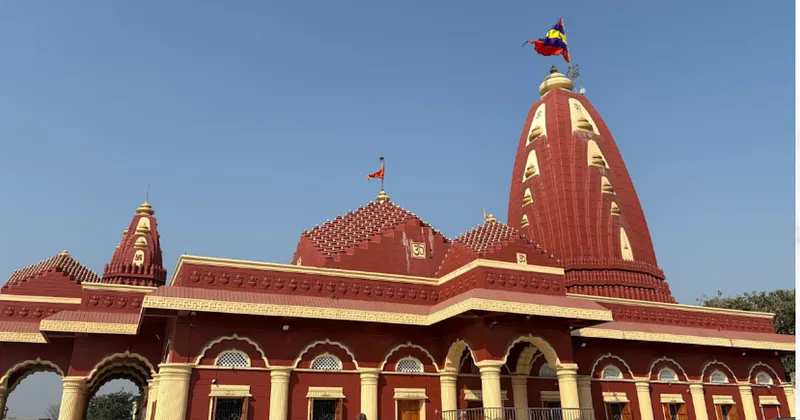
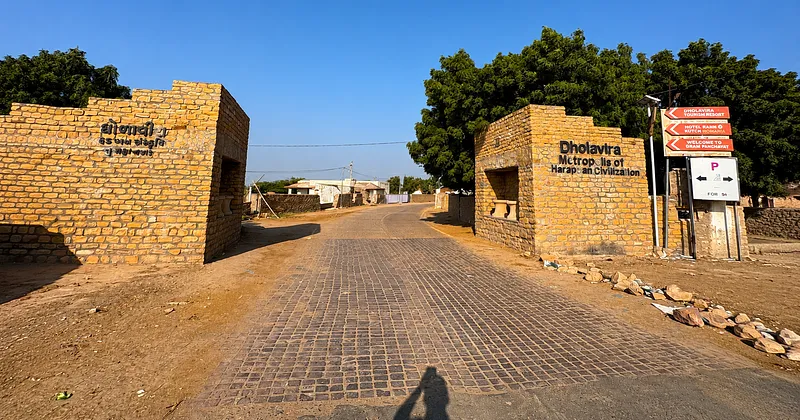
On 11th January, I left Nishkalank Mahadev and continued my journey towards Dholera, covering around 90 kilometers.
As I rode closer to the Gulf of Khambhat, I expected the terrain to become easier. Instead, nature had a different plan. Strong headwinds pushed against me throughout the day, making every pedal stroke feel harder than the last. Combined with the scorching afternoon sun, even maintaining a steady pace became a challenge.
There were moments when it felt like I was putting in twice the effort just to move forward. But long-distance cycling teaches patience. Some days are about speed, while others are simply about refusing to give up.
Despite the relentless wind and heat, I kept pedalling kilometer after kilometer until I finally reached Dholera. Exhausted but satisfied, I ended the day with another lesson from the road: sometimes the biggest challenge isn't the distance—it's the conditions that test your determination.


12th January 2026
On 12th January, I left Dholera and continued my ride towards Khambhat, covering around 91 kilometers.
The journey was once again made challenging by strong headwinds. It felt as though the wind was constantly trying to push me back, making every kilometer a test of patience and endurance. Combined with the warm weather, it was one of those days when progress came slowly, but I kept reminding myself that every pedal stroke was taking me closer to my goal.
As I approached Khambhat, the atmosphere became lively with the celebrations of Makar Sankranti. The sky was filled with colourful kites of every shape and size, and rooftops were buzzing with people enjoying the festival. Children laughed, families gathered together, and the entire city seemed to be celebrating under a sky painted with kites.
After a demanding day battling the wind, witnessing the joy and energy of Makar Sankranti was the perfect way to end the day. It reminded me that every journey is not only about overcoming challenges but also about experiencing the rich festivals and traditions that make every corner of India unique.


13th January 2026
After battling the headwinds the previous day, I decided to spend another day in Khambhat and experience the city during the Makar Sankranti celebrations.
My first stop was the famous Agate Crystal Market, for which Khambhat is well known. It was fascinating to see artisans and shopkeepers displaying beautifully polished agate stones in a variety of colours and designs. Watching these natural stones transformed into beautiful handicrafts gave me a glimpse of the city's rich craftsmanship.
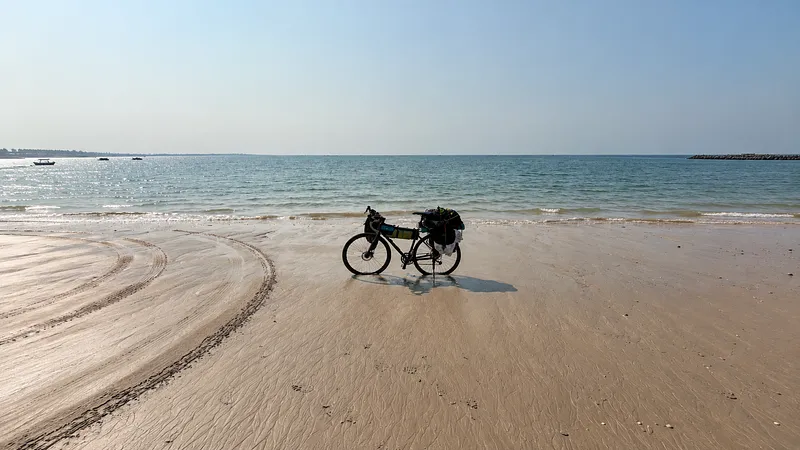
As I explored further, I visited the old shoreline of the Gulf of Khambhat, spending some time watching the vast waters and reflecting on the journey so far.
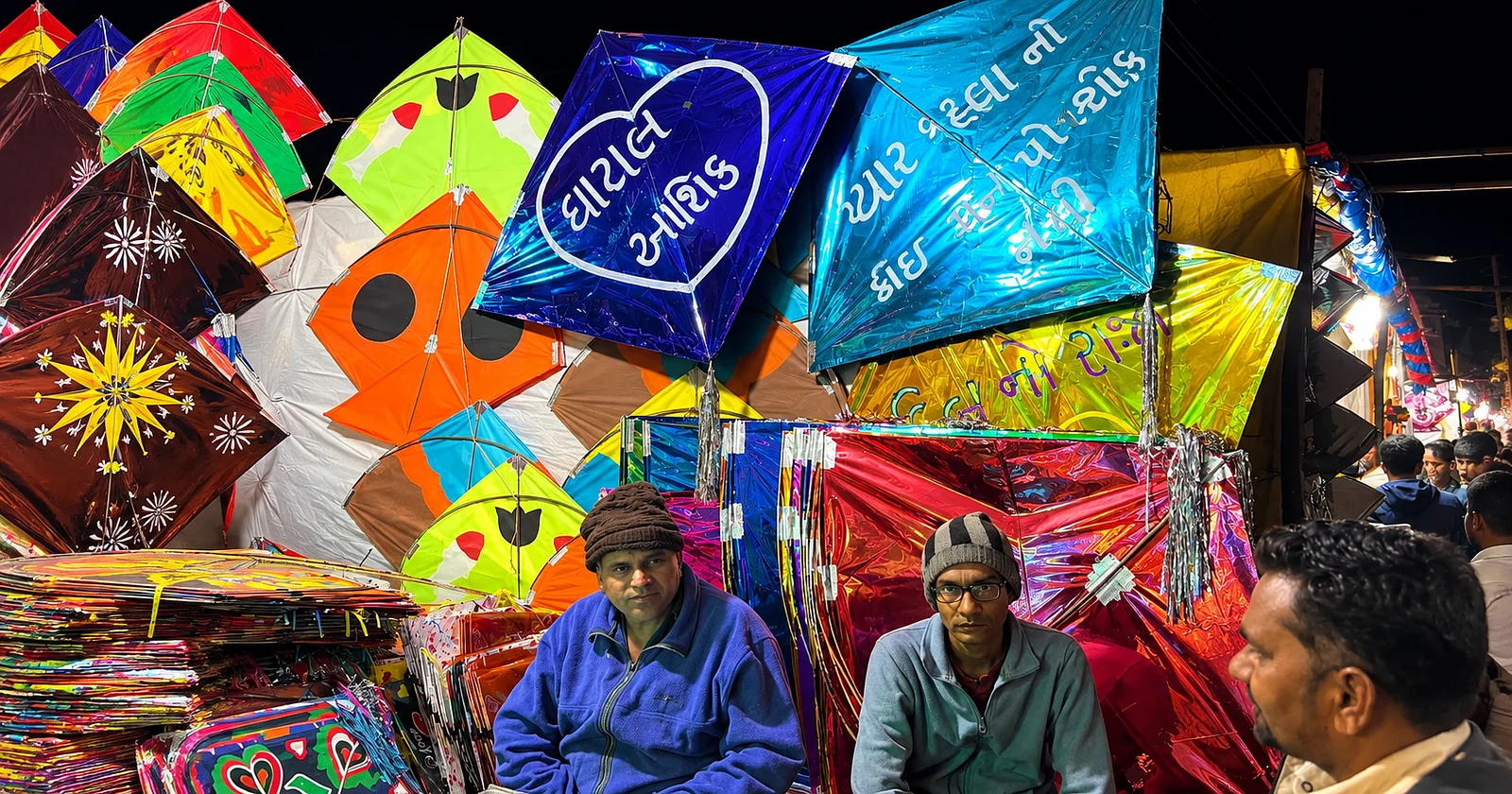
The highlight of the day, however, was the Makar Sankranti celebrations. The entire city was alive with excitement. The sky was filled with countless colourful kites, and I even saw giant kites that were bigger than me. Every rooftop was crowded with families and friends flying kites, cheering, laughing, and enjoying the festival together. The enthusiasm of the people was contagious, and it was impossible not to smile while watching the celebration.
It was a wonderful reminder that travelling is not only about reaching destinations but also about experiencing the traditions, festivals, and vibrant culture that make every place unique.


14th January 2026
On 14th January 2026, I left Khambhat and began cycling towards Vadodara, covering around 87 kilometers.Along the way, I stopped at the Sikotar Maa Temple to seek the blessings of the Goddess before continuing my journey. The peaceful atmosphere of the temple made it the perfect place to pause and begin the day with gratitude.
As it was still Makar Sankranti, the festive spirit continued throughout the ride. The sky was filled with colourful kites, and almost every village and town I passed was celebrating. Children and adults stood on rooftops, flying kites with great enthusiasm, while music and laughter filled the air. Cycling through this vibrant celebration made the journey even more memorable.By evening, I reached Vadodara, completing another rewarding day on the road. Although the ride was not the longest, the blessings at Sikotar Maa Temple and the colourful skies of Makar Sankranti made it a journey I will always remember.
(All photographs from author's personal collection)
To be continued....