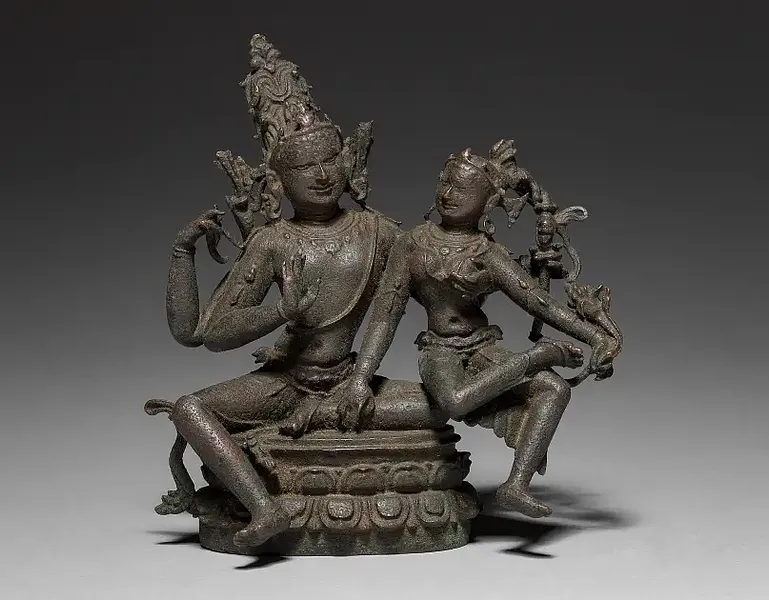
The Iconography of Umāmaheśvara
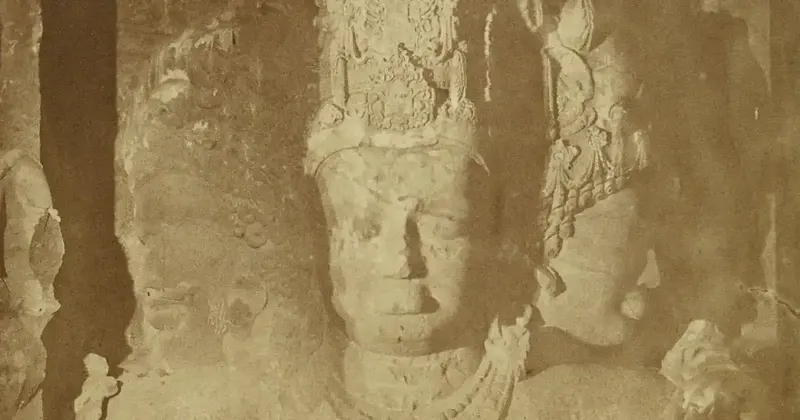
An exploration of the divine iconography of Umāmaheśvaramūrti, the depiction of Śiva and Pārvatī in intimate embrace, as seen in Hindu art and sculpture across time.
Senior Research Fellow
Sai Priya is a doctor by training, and completed her MBBS from Osmania Medical College, Hyderabad. Driven by a passion for religion, culture, and art, she went on to obtain a degree in law and a postgraduate diploma in Indian art. She is a prolific writer and researcher in the field of Indian Knowledge Systems, with a particular focus on the intersection of law, policy, history, and culture.
An exploration of the divine iconography of Umāmaheśvaramūrti, the depiction of Śiva and Pārvatī in intimate embrace, as seen in Hindu art and sculpture across time.
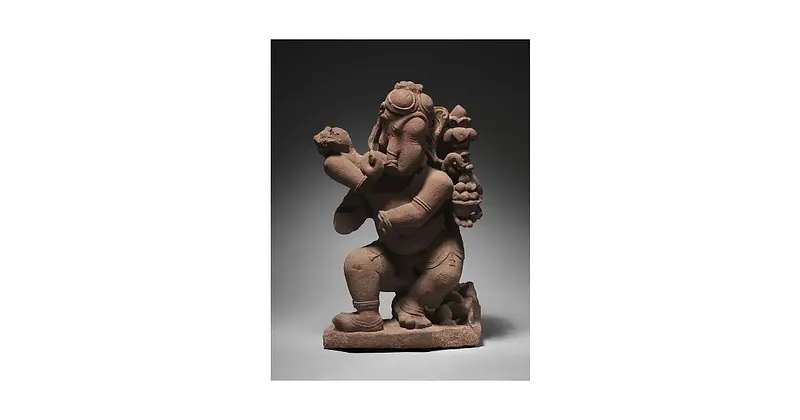
The mukhaliṅga symbolizes the confluence of form and essence, uniting metaphysical subtlety, tāntric energy, and devotional presence into a single sacred form that bridges the transcendent and immanent aspects of divinity.
In the Hindu tradition, art is not merely aesthetic but a spiritual pursuit—an Advaitika journey where the artist, artwork, and viewer dissolve into a unified experience of the cosmic Self.
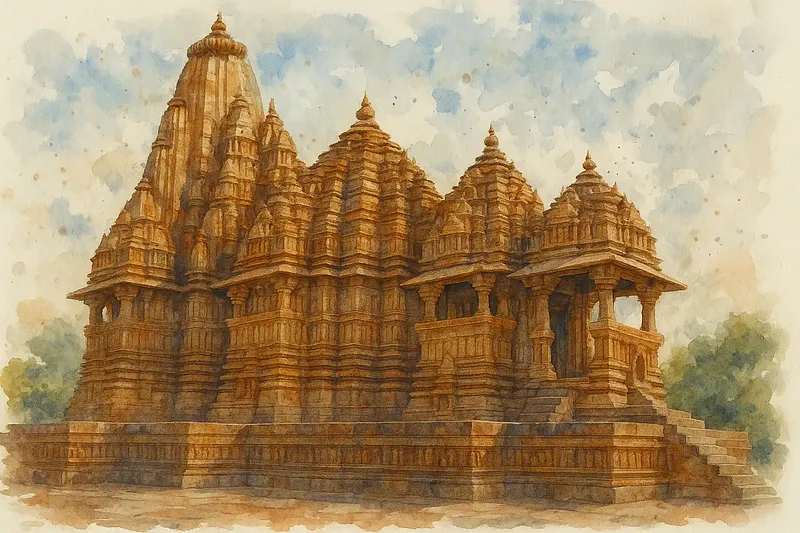
The Hindu temple embodies cosmic order, sacred art, and transcendence—uniting architecture, symbolism, and darśana in the quest for the Absolute.
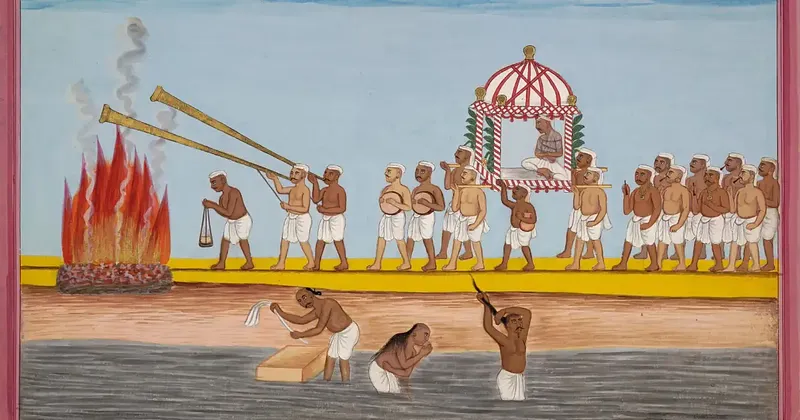
A long read detailing the discourse surrounding the Indian tradition of cremation evolved during the British rule from ancient ritual to a powerful symbol of resistance, redefining Hindu identity in the face of colonial and religious challenges.
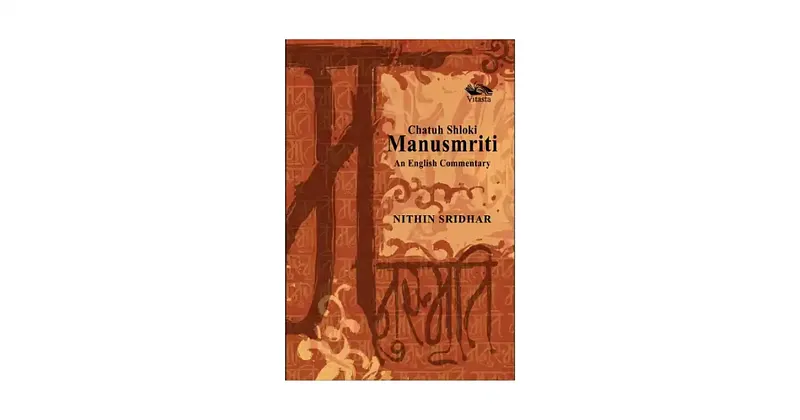
A review of Nithin Sridhar’s Chatuh Ślokī Manusmṛti - An English Commentary, which is a bold and meticulous book that confronts popular misreadings and dispels inherited prejudices. A reclamation of the Dharmaśāstra tradition through a lucid and unapologetically śāstrika lens.