In Search of Jñāna Mārga, Part 2
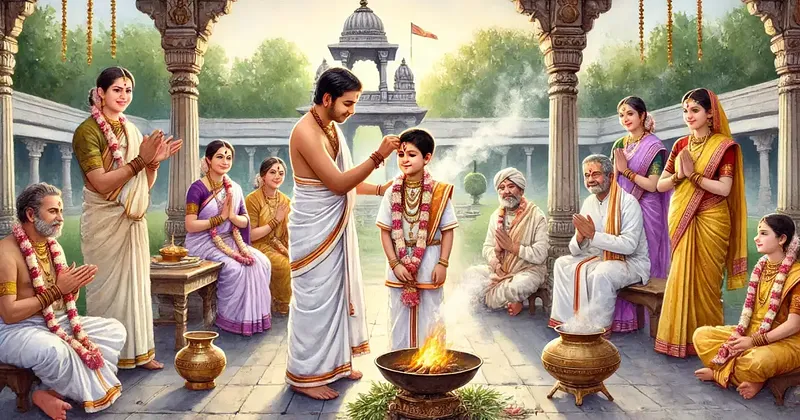
This essay is Part 2 in a series on the educational and academic heritage of Bhārata. This installment covers the ancient rite of Hinduism, which is the upanayana saṃskāra.
Historian, researcher, and digital creator, Amogh Vaidya works at the intersection of Indology, Sanskrit studies, and public history.
Based in Pune, Amogh has contributed to research projects exploring subjects such as Gaṇeśa iconography and the Vijayanagara Empire, and has taught the Indian Knowledge System.
His work moves comfortably between scholarship and public engagement: academic research, writing, teaching, and digital media.
For this edition of Kṣetrabhūmi, Bṛhat is delighted to partner with Amogh, who brings the strength of scholarship and lived knowledge to place a temple, an image, a landscape within the larger intellectual and cultural worlds that produced it, while keeping the experience simple and accessible.
This essay is Part 2 in a series on the educational and academic heritage of Bhārata. This installment covers the ancient rite of Hinduism, which is the upanayana saṃskāra.
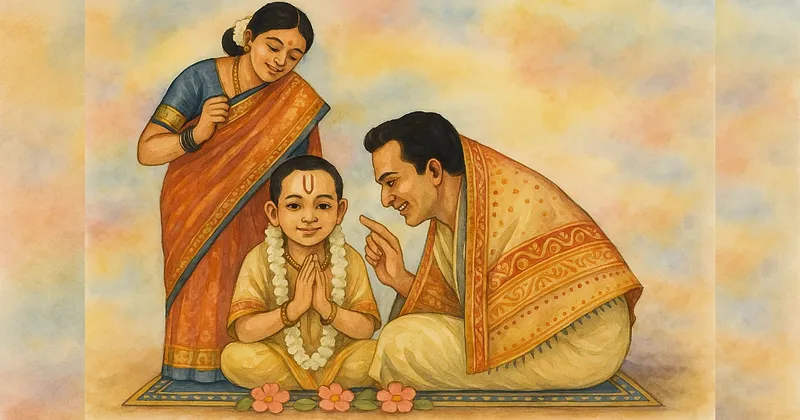
This essay is Part 3 in a series, "In Search of Jñāna Mārga". In this installment, we examine the various rituals of the upanayana saṃskāra and the mantras recited during the process provide significant insights beneficial to education.
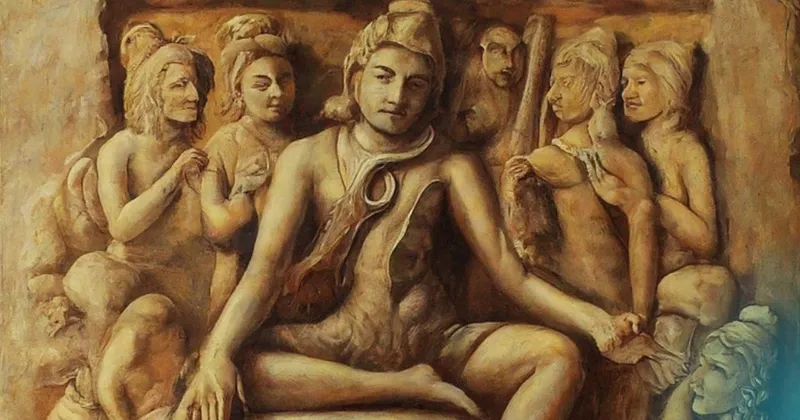
The cultural progress of a society can be reviewed only by looking at the educational progress of the society. What is the origin of India's academic heritage? This essay answers.
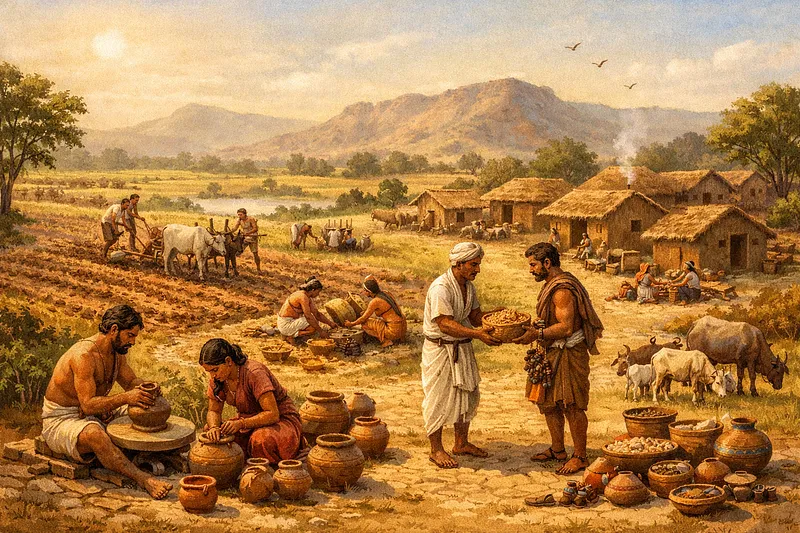
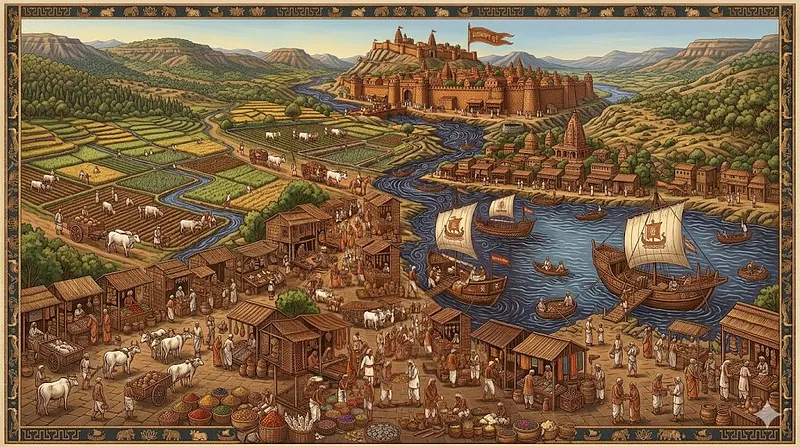
From pastoral settlements to imperial trade: tracing Maharashtra’s ancient economic foundations.
Satavahanas: Guardians of the Deccan, builders of prosperity, part 1
Sovereigns, Monks, and Surveyors: Deciphering Land Ownership and Agrarian Policy in the Satavahana Empire. An in-depth look at how rock inscriptions and ancient land grants shaped the economic backbone of early Deccan India.