Dhīti is a blog for long form essays, expressions of civilizational voice, cinema and literature review, and more.

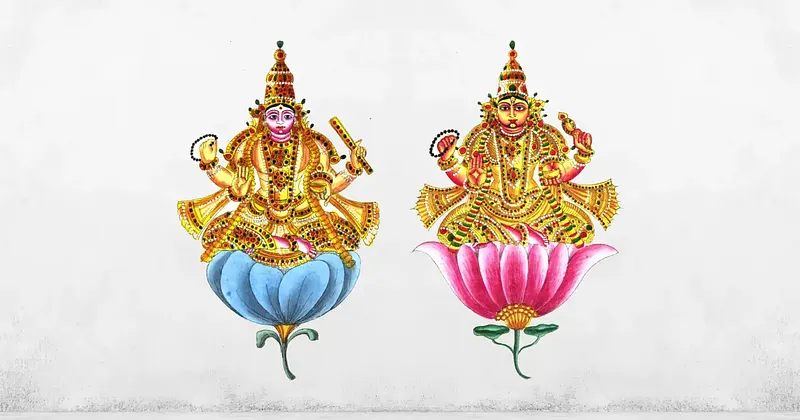
The Intellectual Traditions of the East For Beginners, Part 7 | The Sāṅkhya School
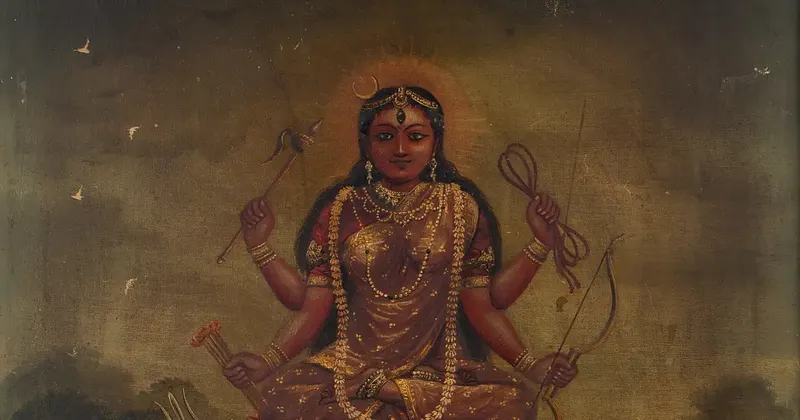
Part 7 of the series on Eastern schools of thought explores the dualism of the Sāṅkhya school, an intellectual tour de force that details the poetry of how Prakṛti dances for Puruṣa.
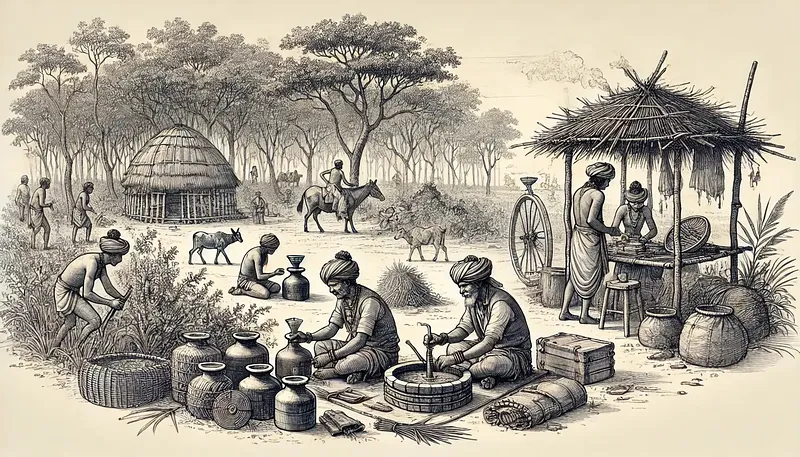
The Empire of Threads and Silver - How Colonialism Unraveled India’s Trade Legacy
Revisiting India’s economic heritage, this article explores the colonial misrepresentation of India as solely agrarian, shedding light on its vibrant history of trade, craftsmanship, and innovation through insights from the works of Sri Ravinder Sharma Guruji.
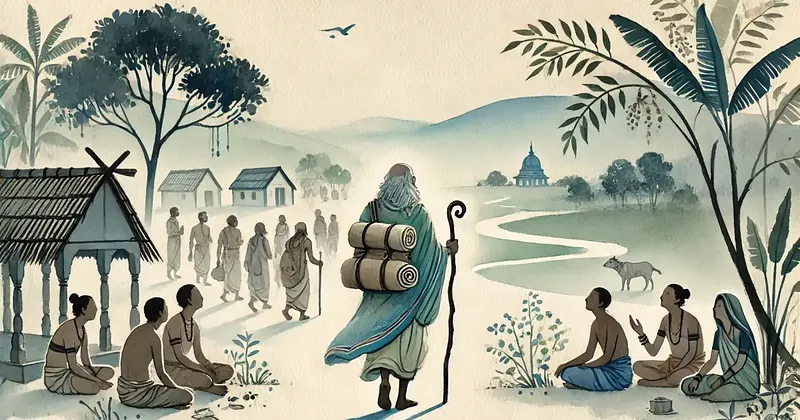
The Forgotten Threshold - Bhikṣāvṛtti and the The Vanished Wisdom of India’s Wanderers
The essay explores the historical practice of Bhikṣāvṛtti in India, its transformation under colonial rule, and the need to revive this indigenous tradition of wisdom, service, and community.
The Hindu View of Menstruation, Part 2
The second of a two-part series critiques modern and feminist narratives around menstrual taboos, emphasizing traditional Hindu perspectives that respect menstruation’s sacrality and health-focused practices, while challenging reductionist and Westernized interpretations.
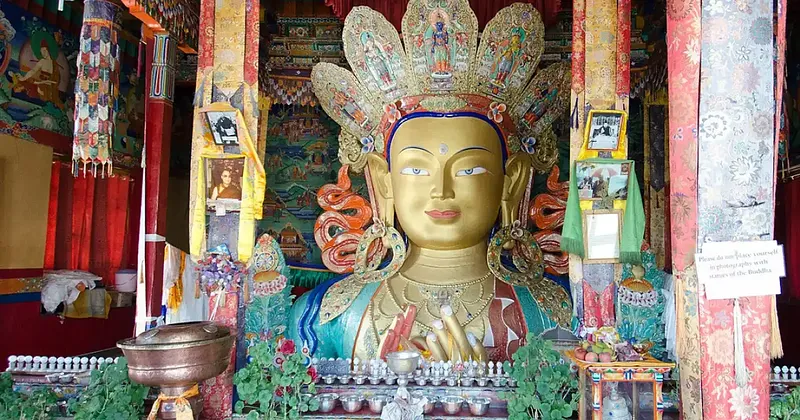
The Intellectual Traditions of the East For Beginners, Part 6 | Nāgārjuna and Śūnyatā
Part 6 of the series on Eastern schools of thought explores Nāgārjuna’s critique of substance metaphysics, focusing on his Madhyamaka philosophy, the concept of śūnyatā, and the deconstruction of independent existence (svabhāva).
The Hindu View of Menstruation, Part 1
This two-part series explores Hindu perspectives on menstruation, highlighting its connection to cosmic cycles, its ritual significance, and practices of rest and celebration, while addressing societal interpretations and festivals honoring menstruation.
Early History of the Archaeological Survey of India
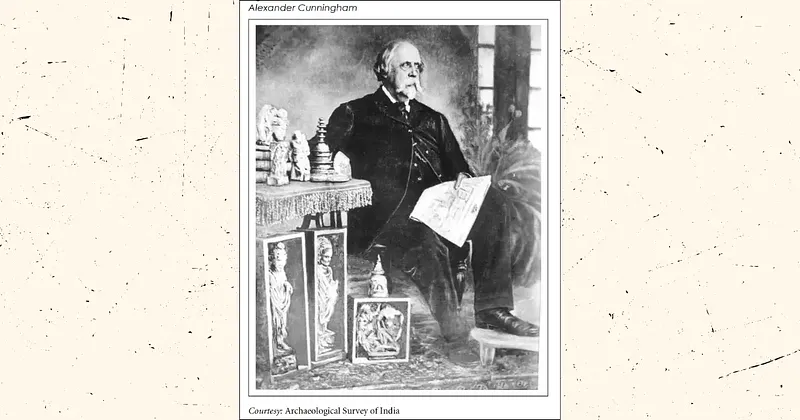
Alexander Cunningham is glorified today as the ‘Father of Archaeology in India’. Yet, he was little more than a plunderer and despoiler of priceless sites in Bhārata. This essay presents a deep dive into the early history of the ASI.