Modern leadership literature spends a great deal of energy on vision, strategy, and decisiveness — the qualities that let a leader act. It spends far less on a quieter question: why do people choose to come near a leader in the first place? Why do capable colleagues, allies, and subordinates gravitate toward one person and drift away from another of equal rank or resource?
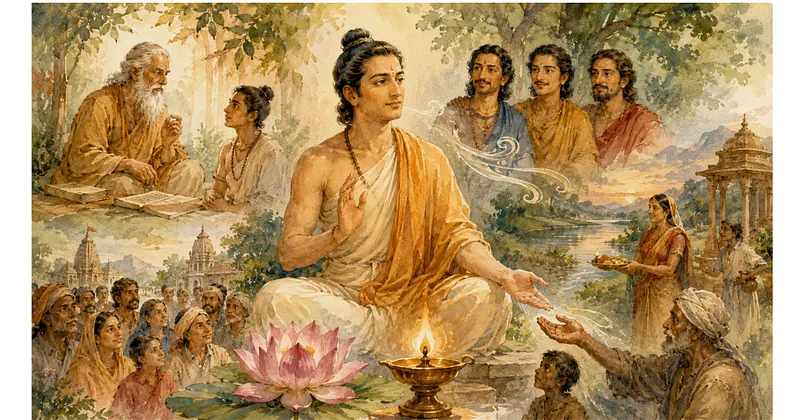
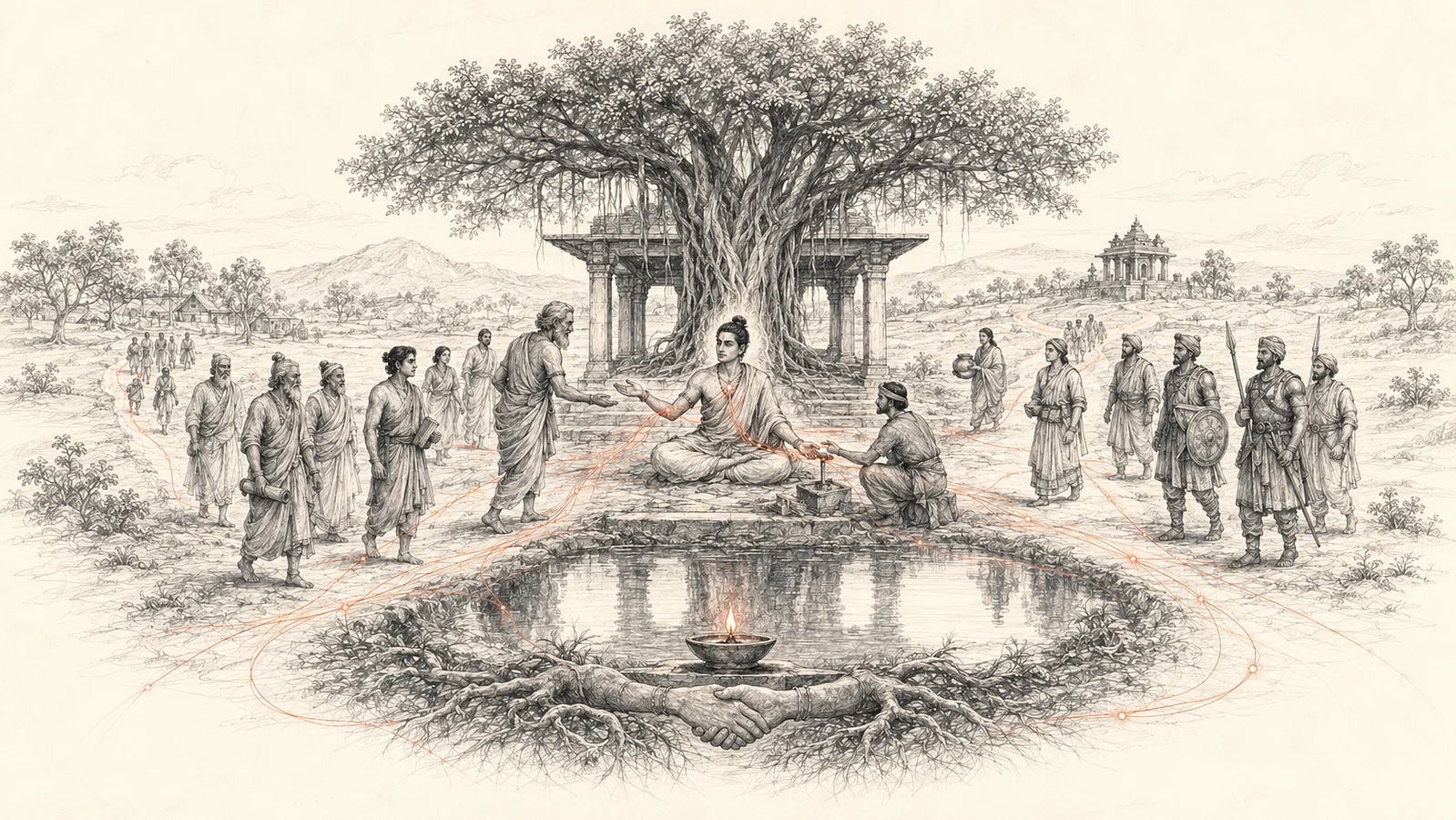
The Kāmandakīya Nītisāra, a classical Sanskrit treatise on statecraft attributed to Kāmandaka and closely allied with the Arthaśāstra tradition, treats this as a matter serious enough to deserve its own technical category. In the fourth chapter of the text (verses 6–9), it names a cluster of virtues the ābhigāmika guṇāḥ — literally, "the qualities that cause one to be approached." These are not the private disciplines of self-mastery pursued for their own sake (what the commentarial tradition calls ātma-upakāri guṇāḥ, virtues that perfect the self). They are, instead, āśrita-upakāri guṇāḥ — virtues whose effect is social: they make others willing to trust, associate with, and place themselves under a person's leadership.
This distinction matters. The text is not romanticising charisma. It is arguing that...