Day and Date
Mahāśivarātri is observed on Māgha/Phālguna Kṛṣṇa Pakṣa Caturdaśī, the fourteenth lunar day of the waning moon.
Mahāśivarātri falls in the dark half of Māgha according to the South Indian calendar, and Phālguna according to the North Indian calendar. This sacred night also marks the commencement of the monthly Śivarātri vrata, observed throughout the year.
Legends Associated with Mahāśivarātri
Several sacred traditions illuminate the spiritual significance of this night:
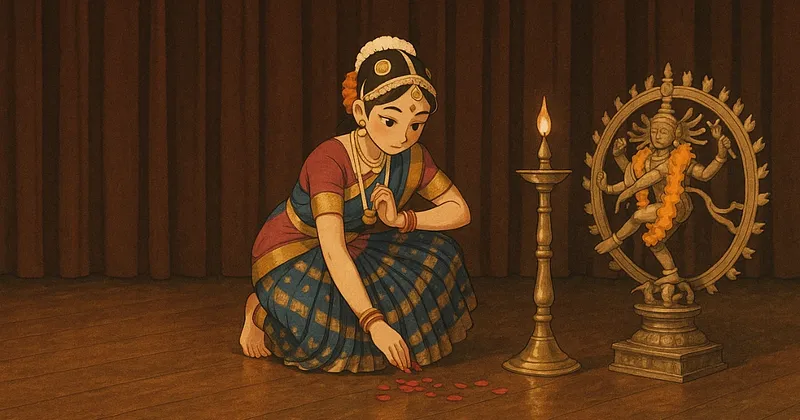
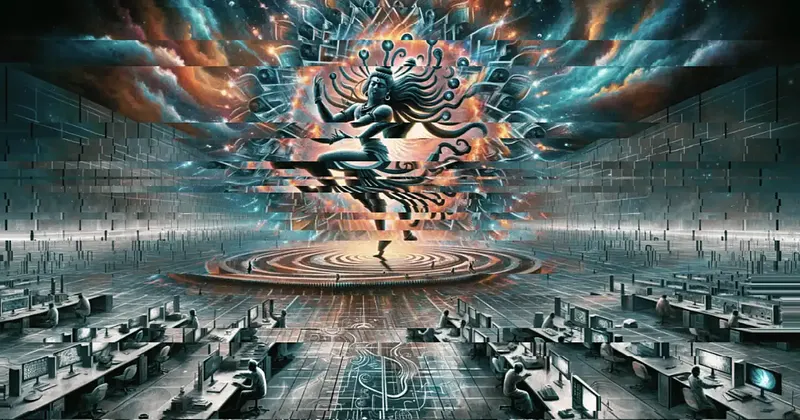
On Mahāśivarātri, Lord Śiva performs the Tāṇḍava, the cosmic dance of creation, preservation, and dissolution.
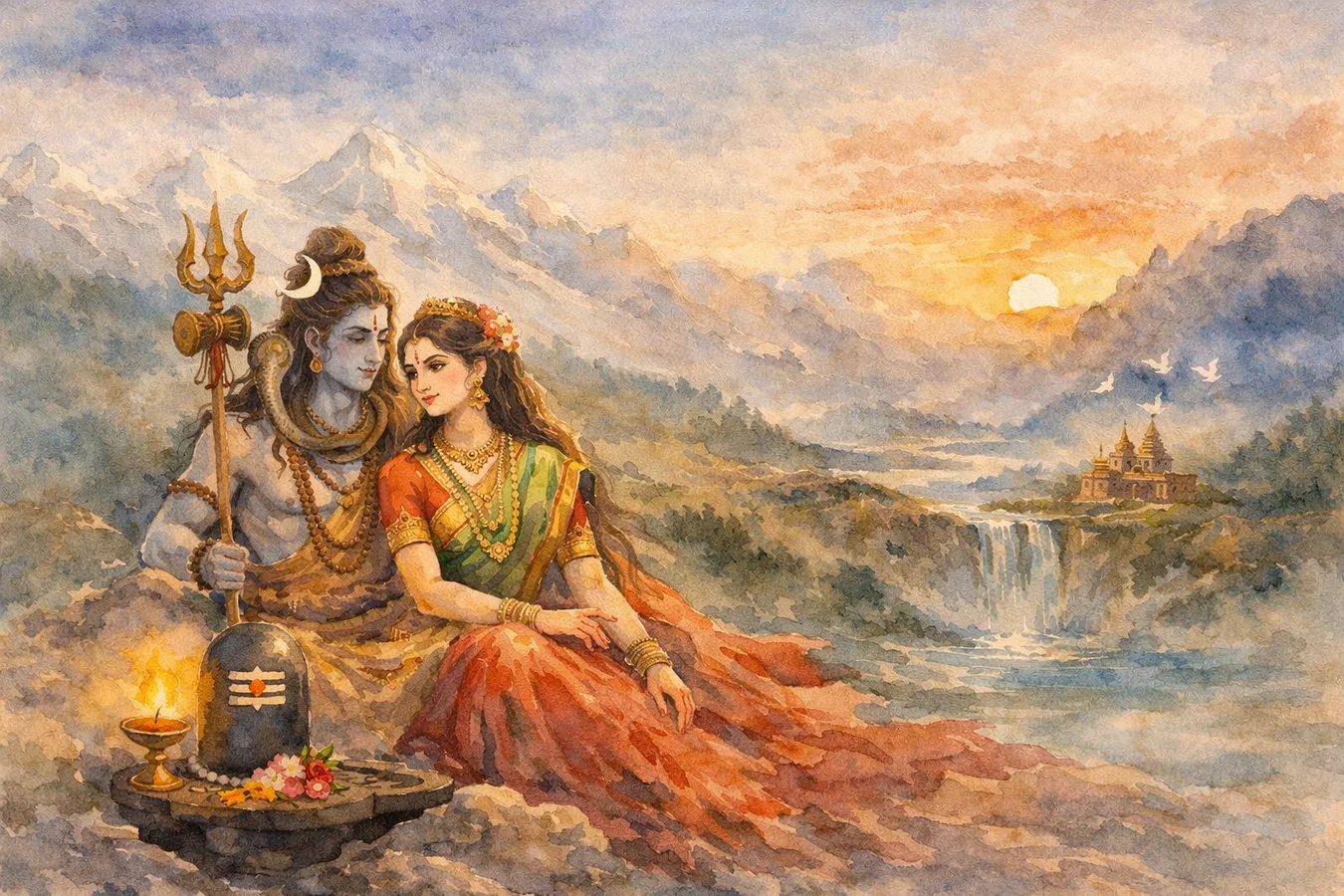
It is believed to be the divine wedding night of Lord Śiva and Devī Pārvatī, symbolizing harmony between asceticism and household life.
Lord Śiva is said to have manifested as an infinite liṅga on this night, revealing his formless and boundless nature.
Scriptural References
The observance of Mahāśivarātri is extolled in several Purāṇas.
The Garuḍa Purāṇa describes the Mahāśivarātri Vrata as a powerful austerity involving fasting, night-long vigil, chanting of Oṁ Namaḥ Śivāya, performance of havana with black sesame seeds, and worship during the later prahara-s of the night. It states that sustained observance of this vrata bestows knowledge, prosperity, happiness, and ultimately liberation.
The Śiva Purāṇa (Chapter 38) declares that when Caturdaśī extends to midnight, the observance of Śivarātri destroys even the gravest of sins. Similar praise is found in the Skanda Purāṇa, particularly in its discourse on the supreme efficacy of Śivarātri.
Current Observances
From Mahāśivarātri onward, devotees traditionally observe Māsika Śivarātri every month on Kṛṣṇa Pakṣa Caturdaśī.
Key practices include:
Night-long vigil (jāgaraṇa)
Midnight Śiva Pūjā
Fasting and mantra japa
Unmarried women observe the vrata seeking a harmonious marriage, while married women pray for peace, stability, and well-being in family life. When Māsika Śivarātri falls on a Tuesday, it is considered especially auspicious.
Mahāśivarātri Vrata Kathā
The Śiva Mahāpurāṇa narrates the story of a hunter whose intellect was purified and who attained Śivapada through the unintentional observance of the Śivarātri vrata. This story emphasizes the transformative power of sincere, even unconscious devotion.
Conclusion
Mahāśivarātri is revered as Vratarāja, the king of vows, for it is believed to grant what even severe penance and pilgrimage may not. Observed with devotion and discipline, the Śivarātri vrata leads not merely to material fulfillment, but to inner purification, spiritual awakening, and ultimately Mokṣa. More than a ritual, Mahāśivarātri is an invitation to still the mind, awaken awareness, and abide in the grace of Śiva.
References
https://www.wisdomlib.org/hinduism/book/the-skanda-purana/d/doc627171.html
https://www.wisdomlib.org/hinduism/book/the-garuda-purana/d/doc59329.html
The author can be reached on X/Twitter - https://x.com/TanyaBrahmvadni