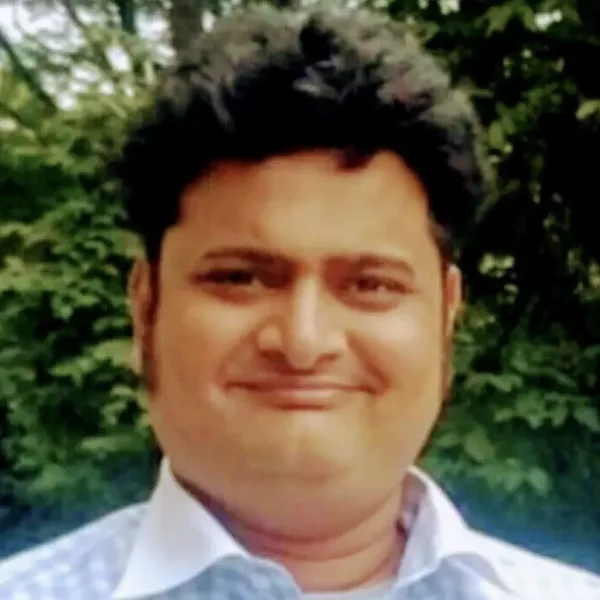
SN Sudharsan is a researcher of Indian Knowledge Traditions, focusing on Dharma, Bhāratīya Darśana, Advaita Vedānta, Varkari Sampradāya and Saṃskṛta. He has pursued in-depth research and studies in these areas, having completed 33+ programs over the past 5 years, from Chinmaya International Foundation and IIT-R.
SN Sudharsan is the author of an English novel as well as 4 English language translations and commentaries on Sant Sri Jnaneshwar Maharaj's literature. He is a self-learned polyglot with near-native proficiency across six languages - Tamil, Hindi, Marathi, Kannada, Telugu and English, advanced levels in Sanskrit in addition to 5 more foreign languages.
He is a learning professional with 20+ years of experience across the academia, startup, and corporate sectors. His educational background is in linguistics, TESOL, law, and computer science engineering. He's also an accomplished singer and a former AIR artist, having won and performed in several national-level concerts, and stage programs.
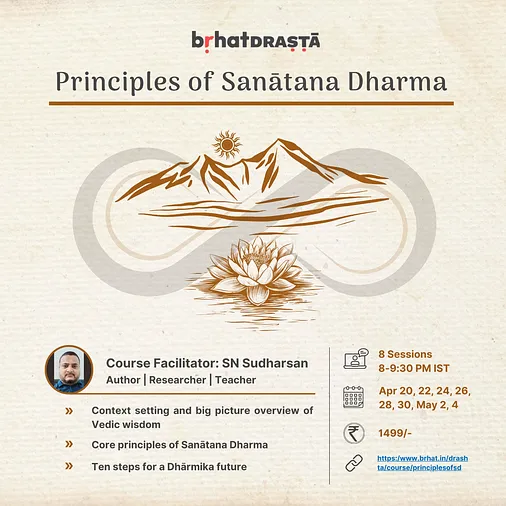
SN Sudharsan lives in Chennai and is researching the history and future of Indian sociolinguistics in the context of Sanātana Dharma, to apply and crystalize it for the modern world through courses, writings, and talks.
.png)